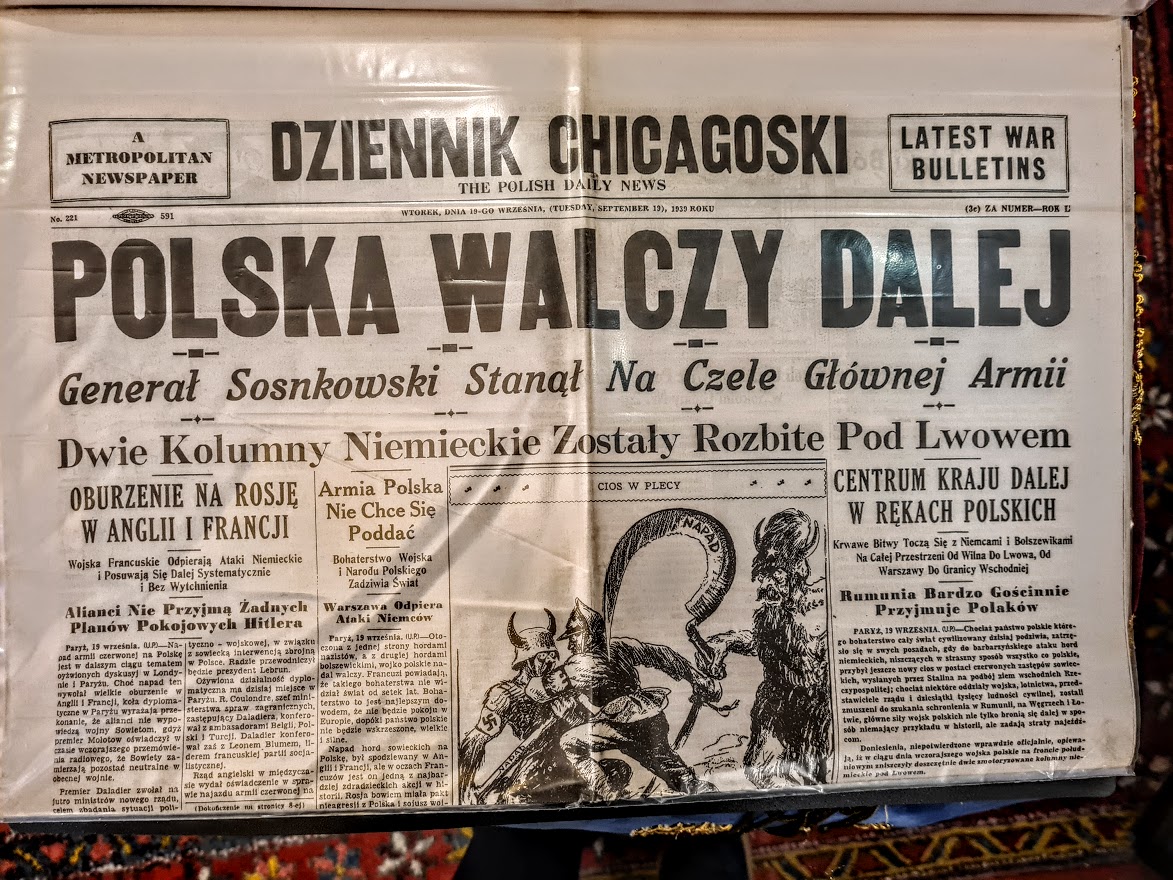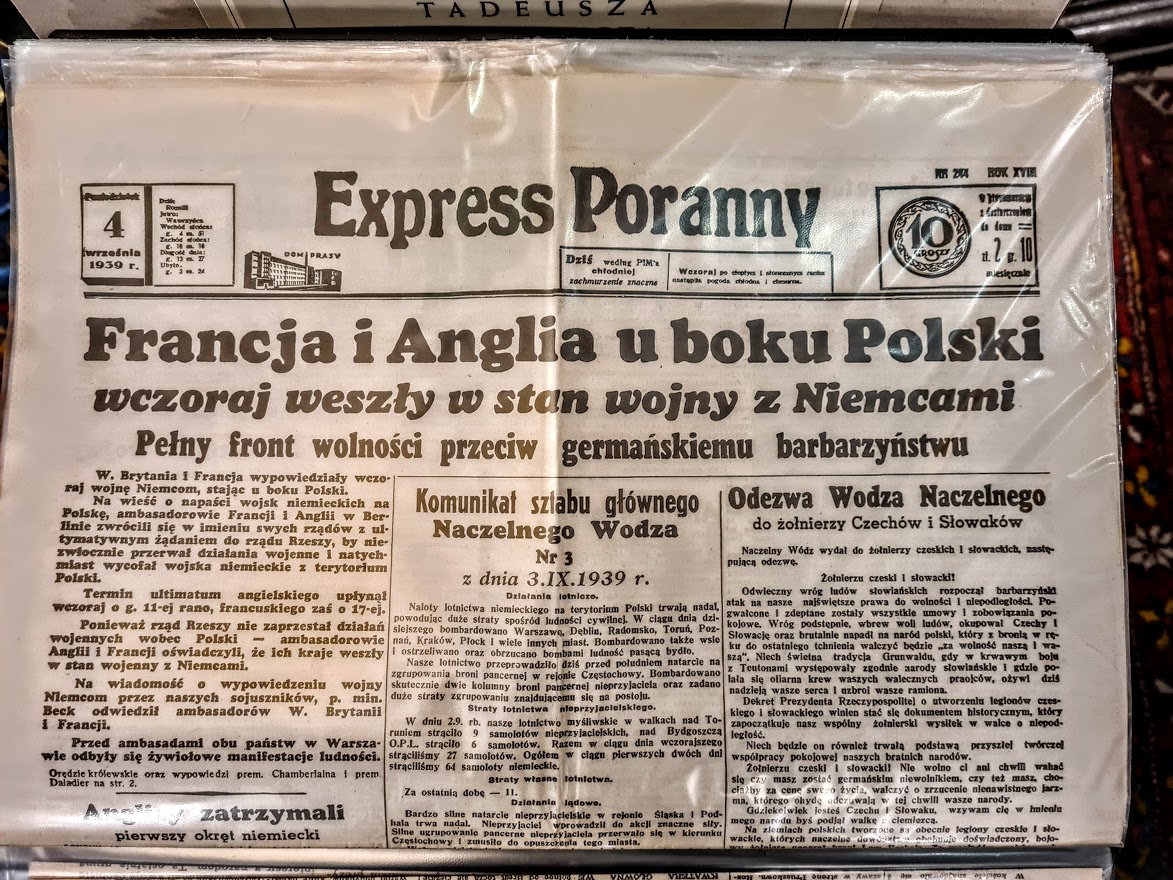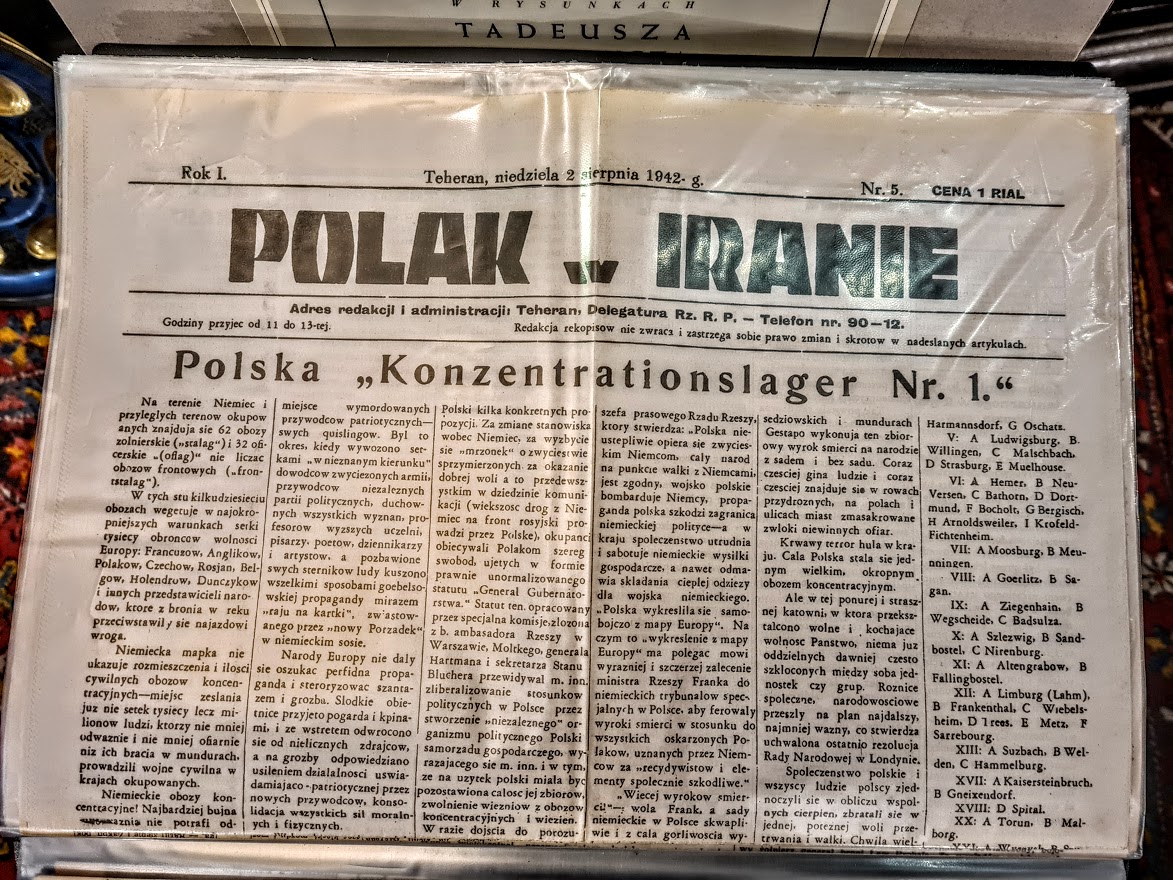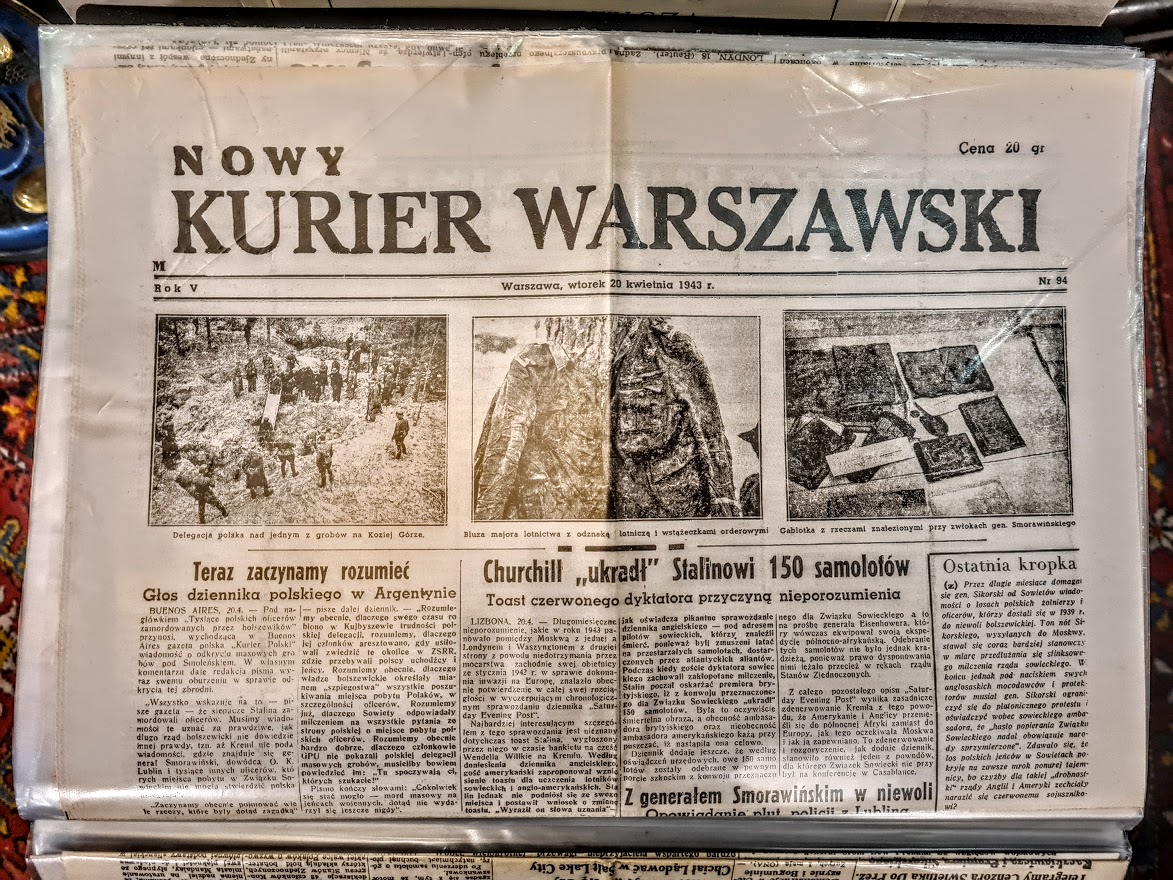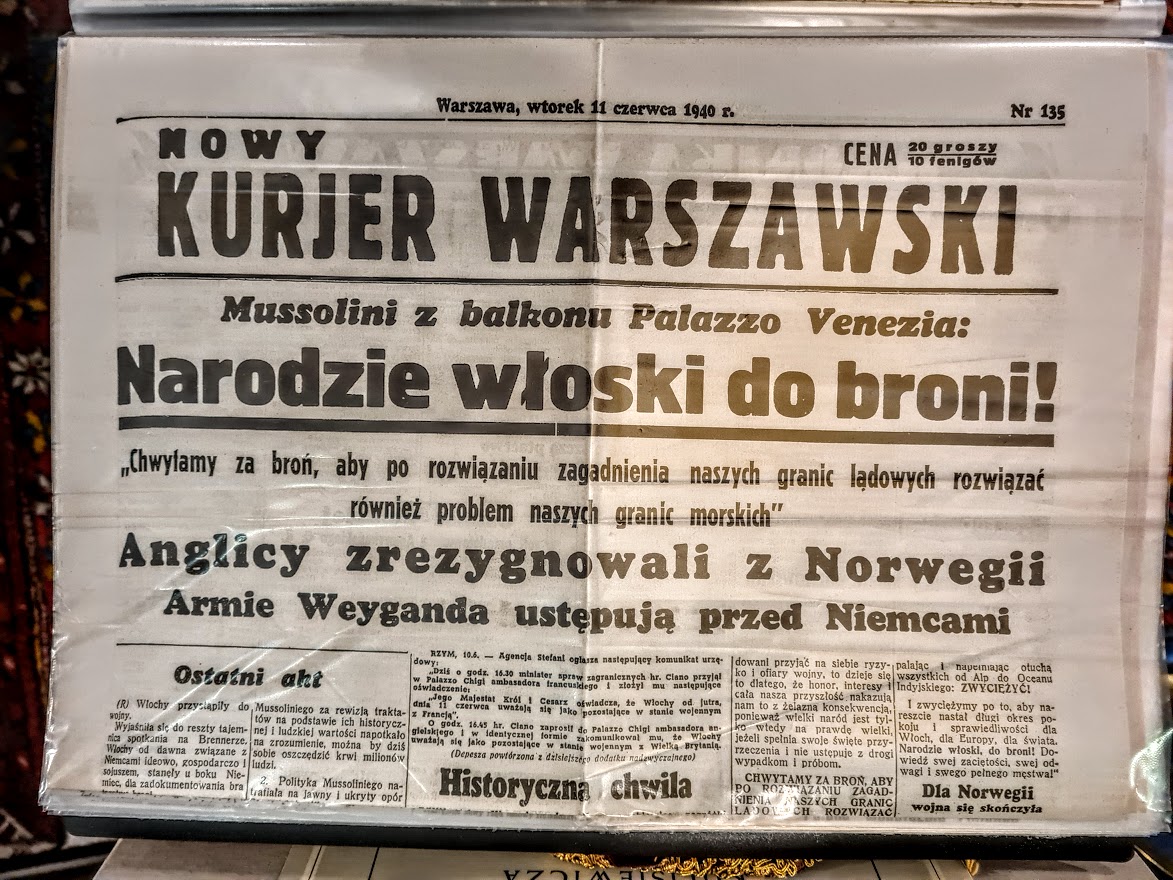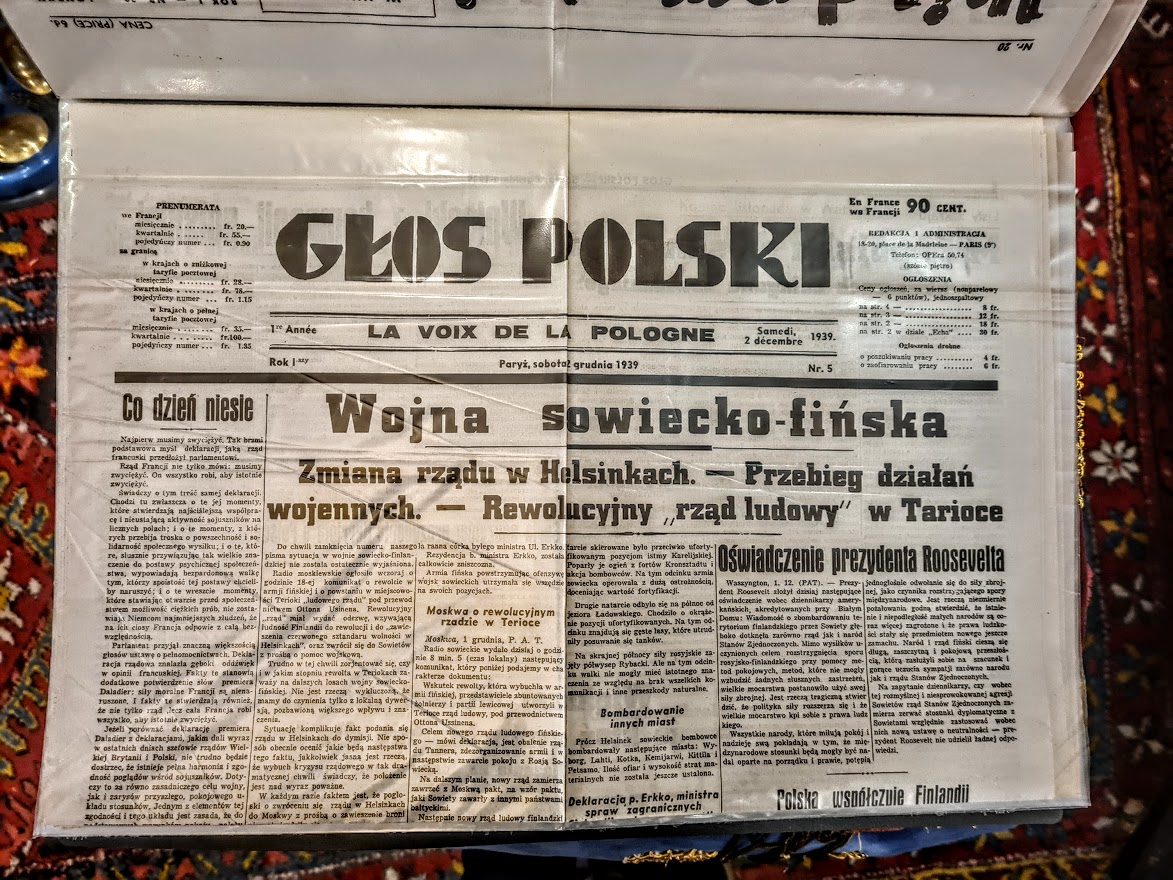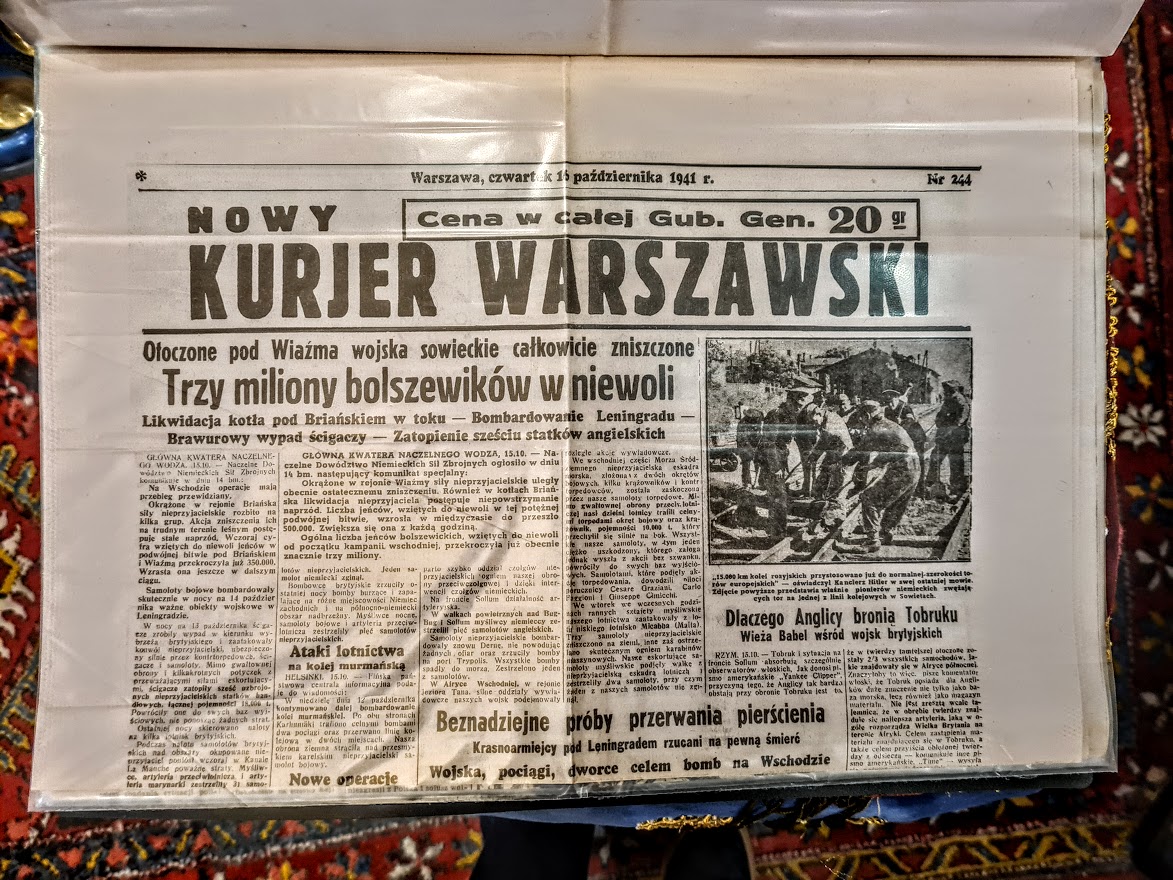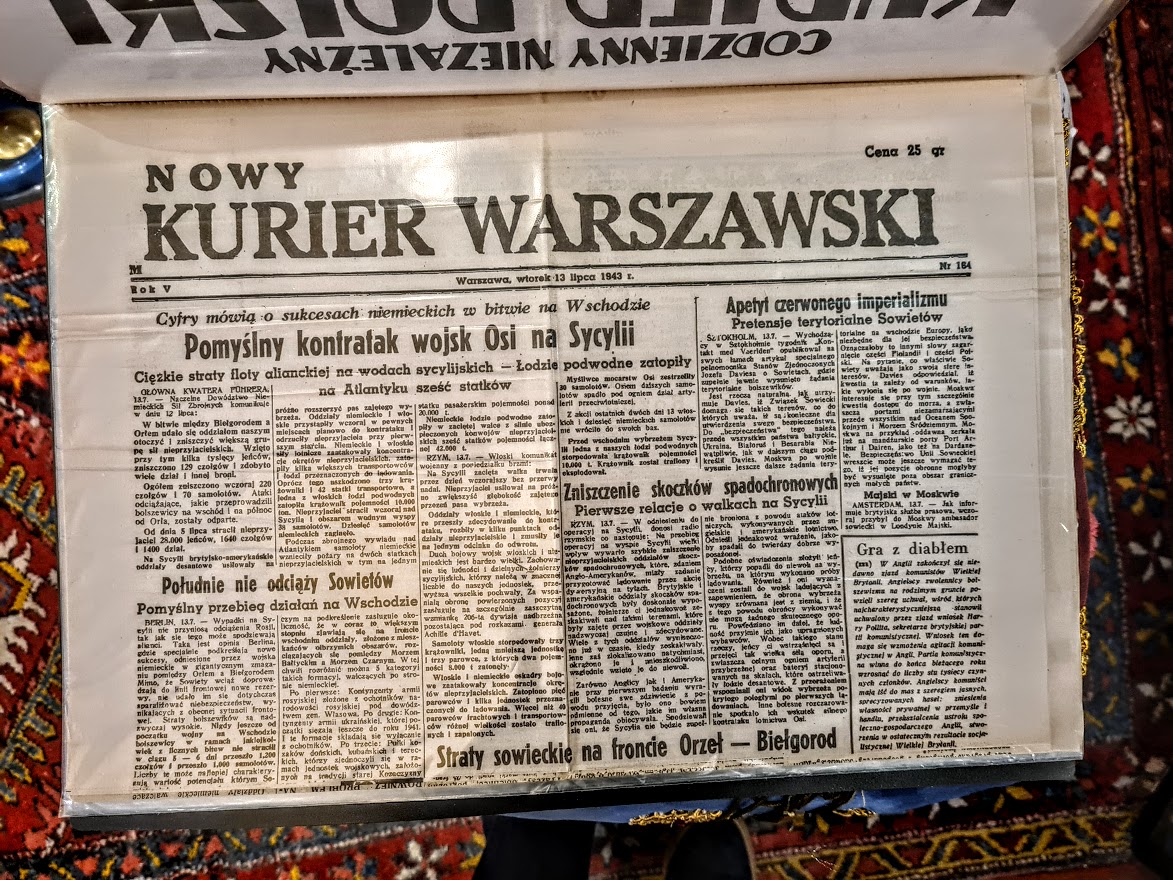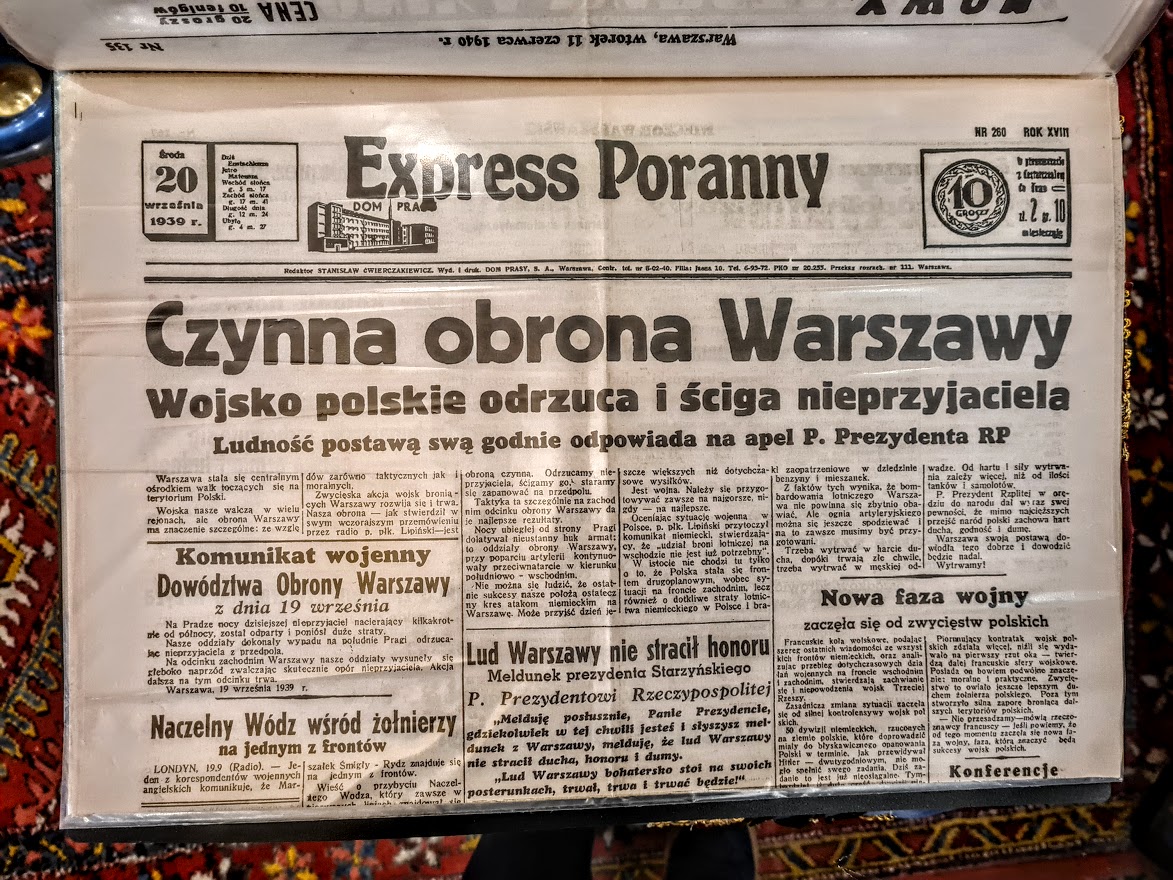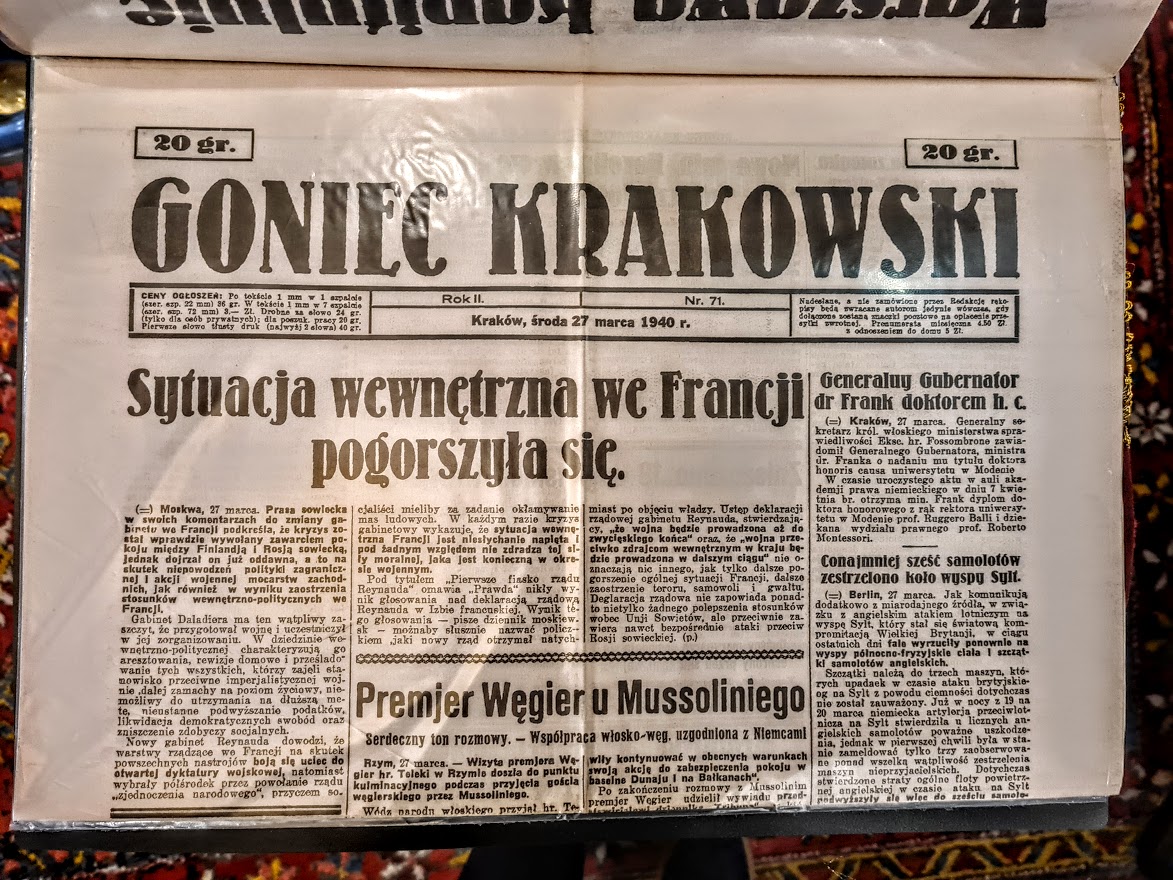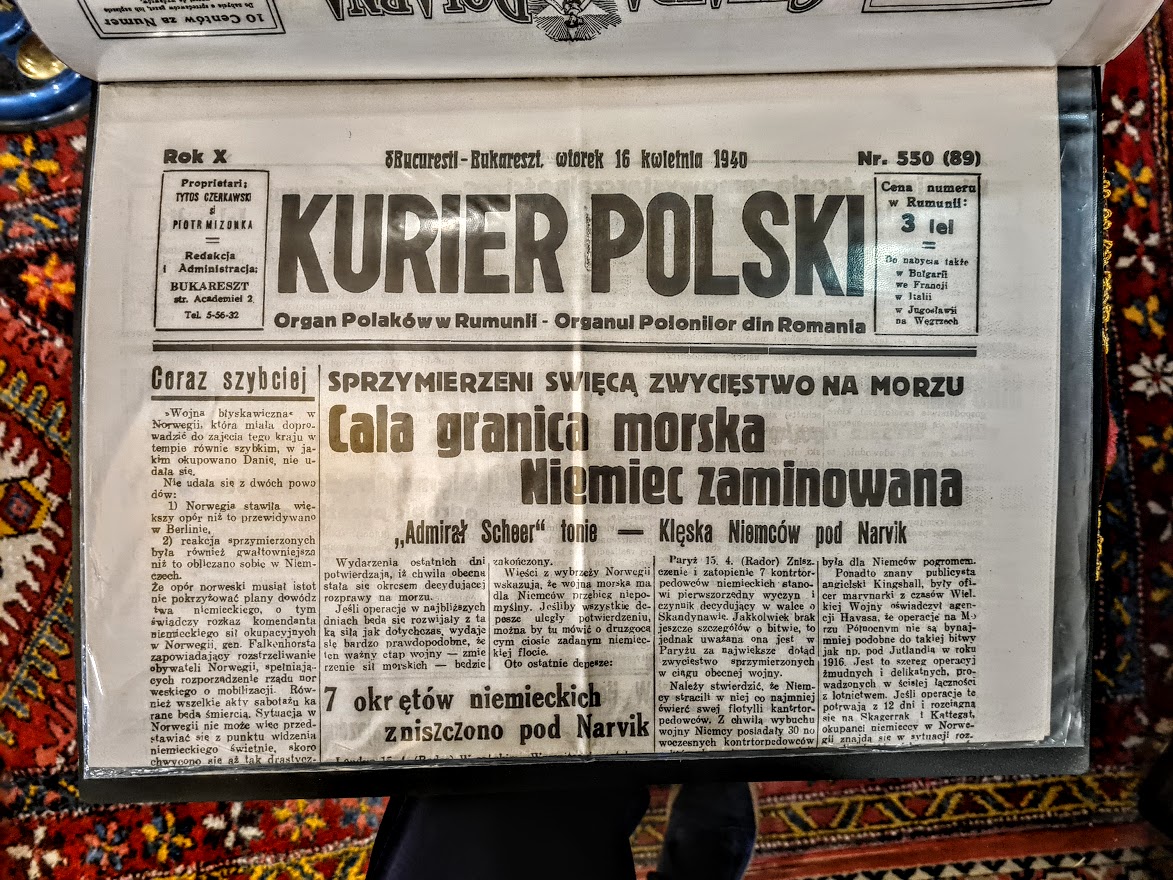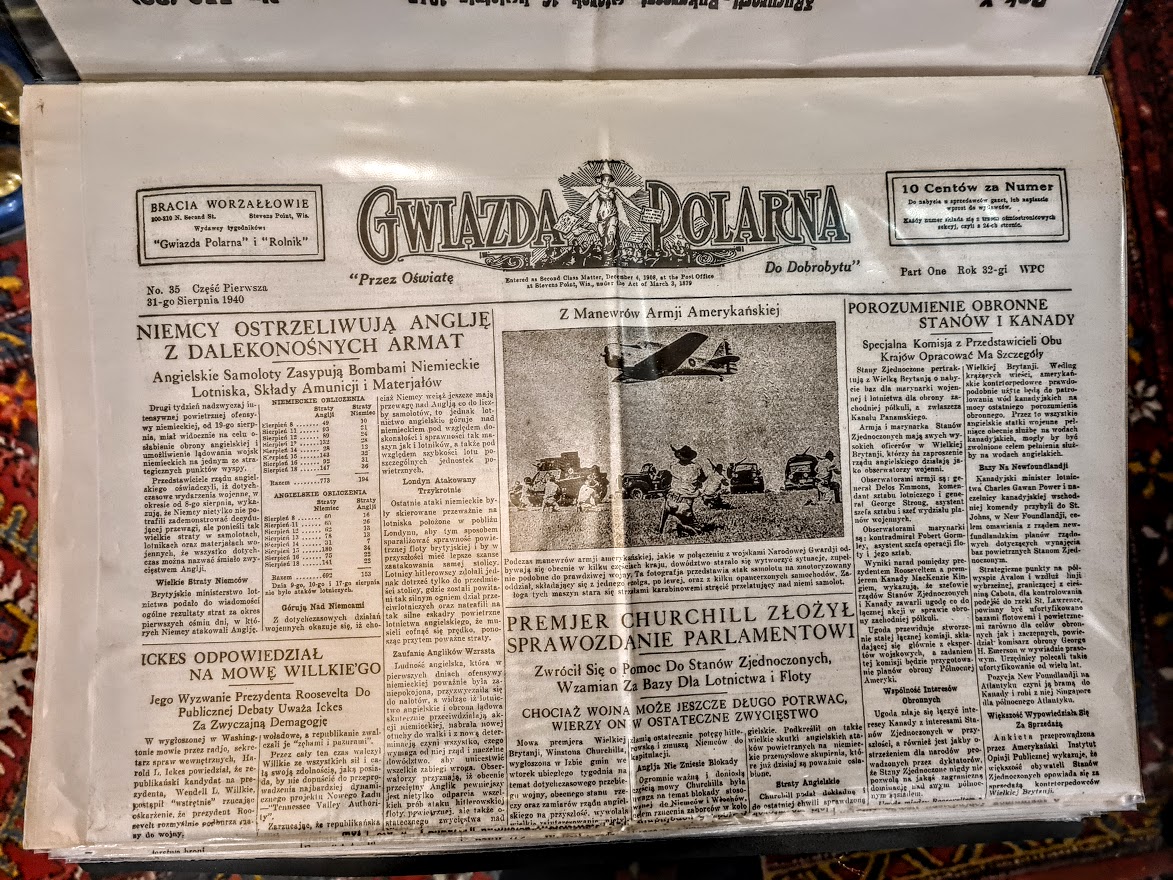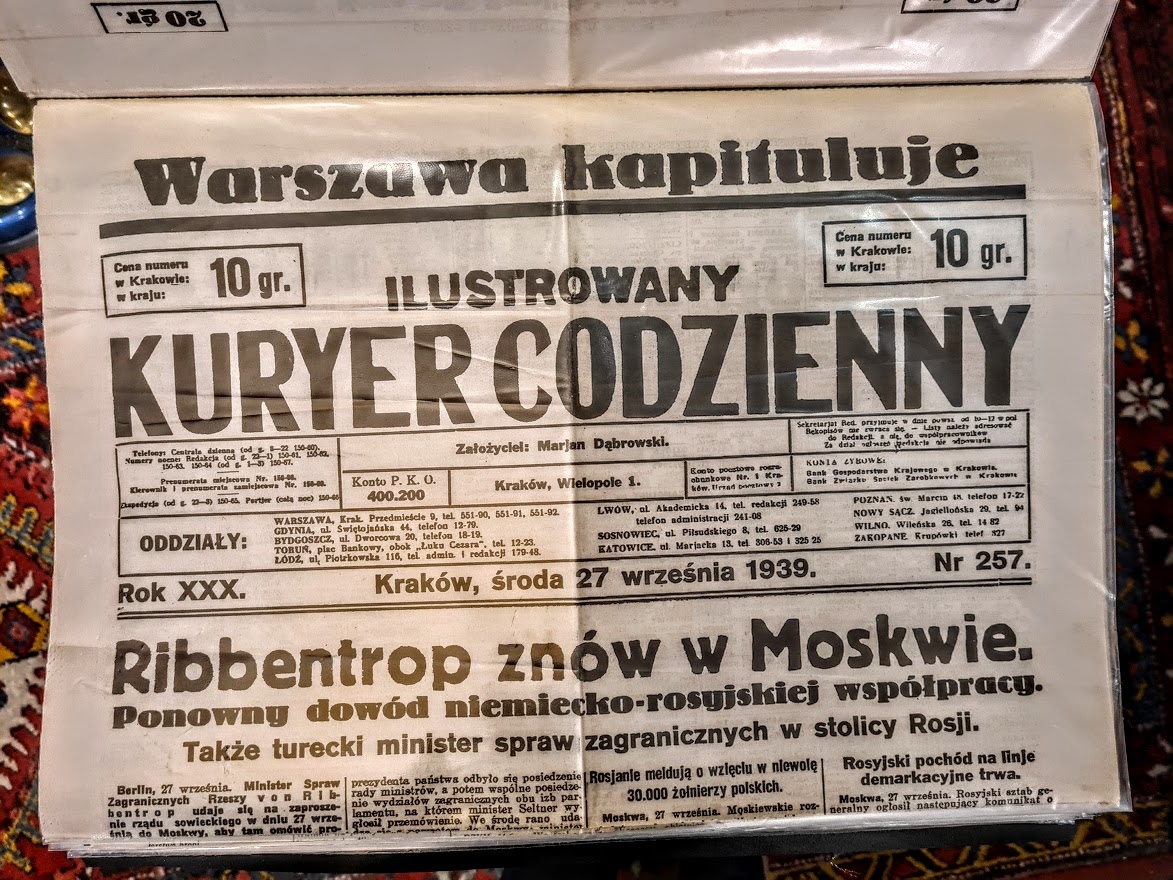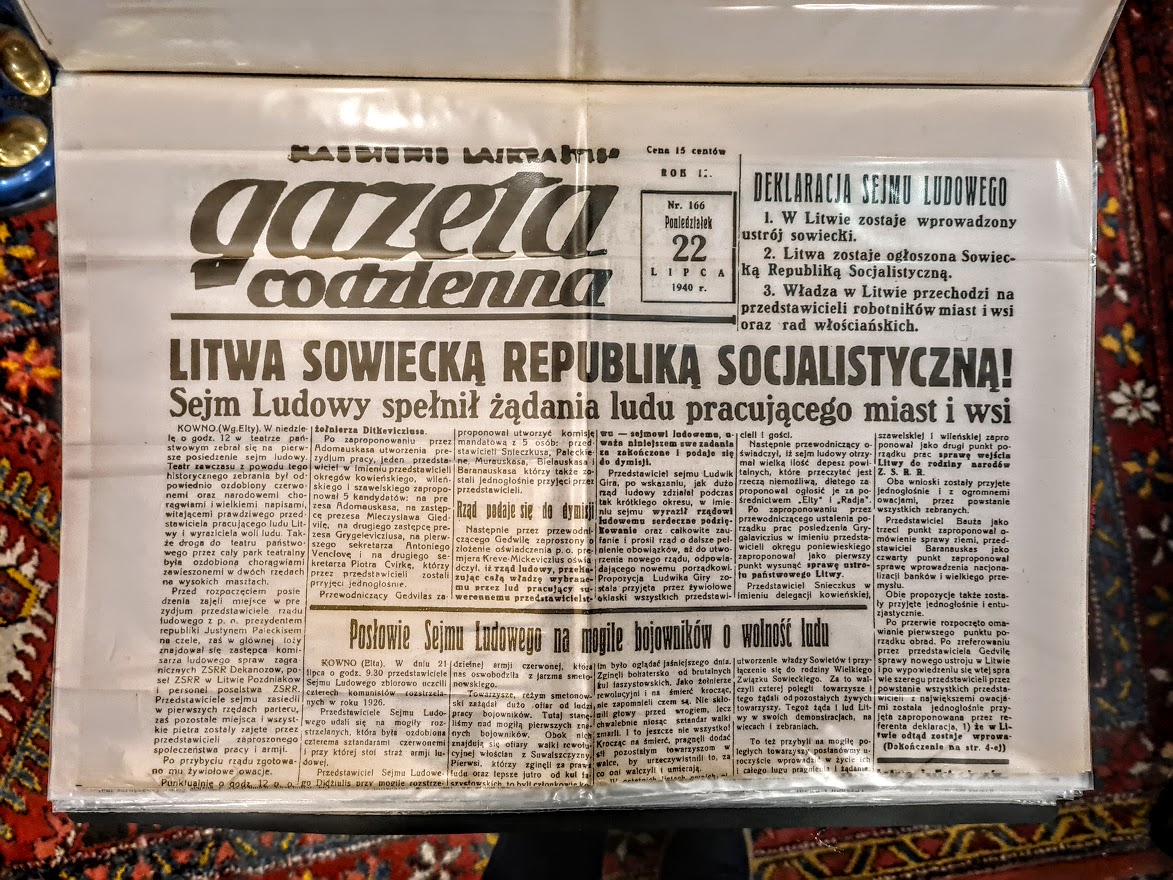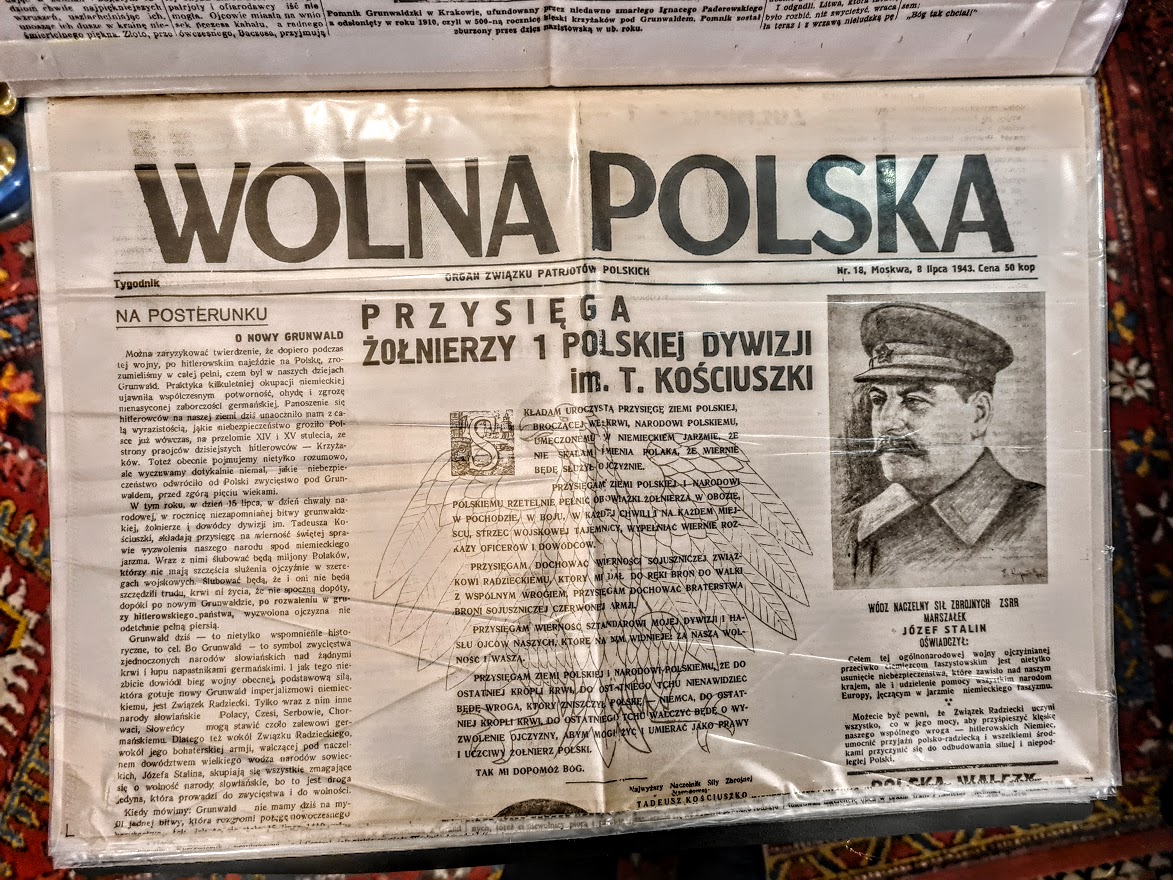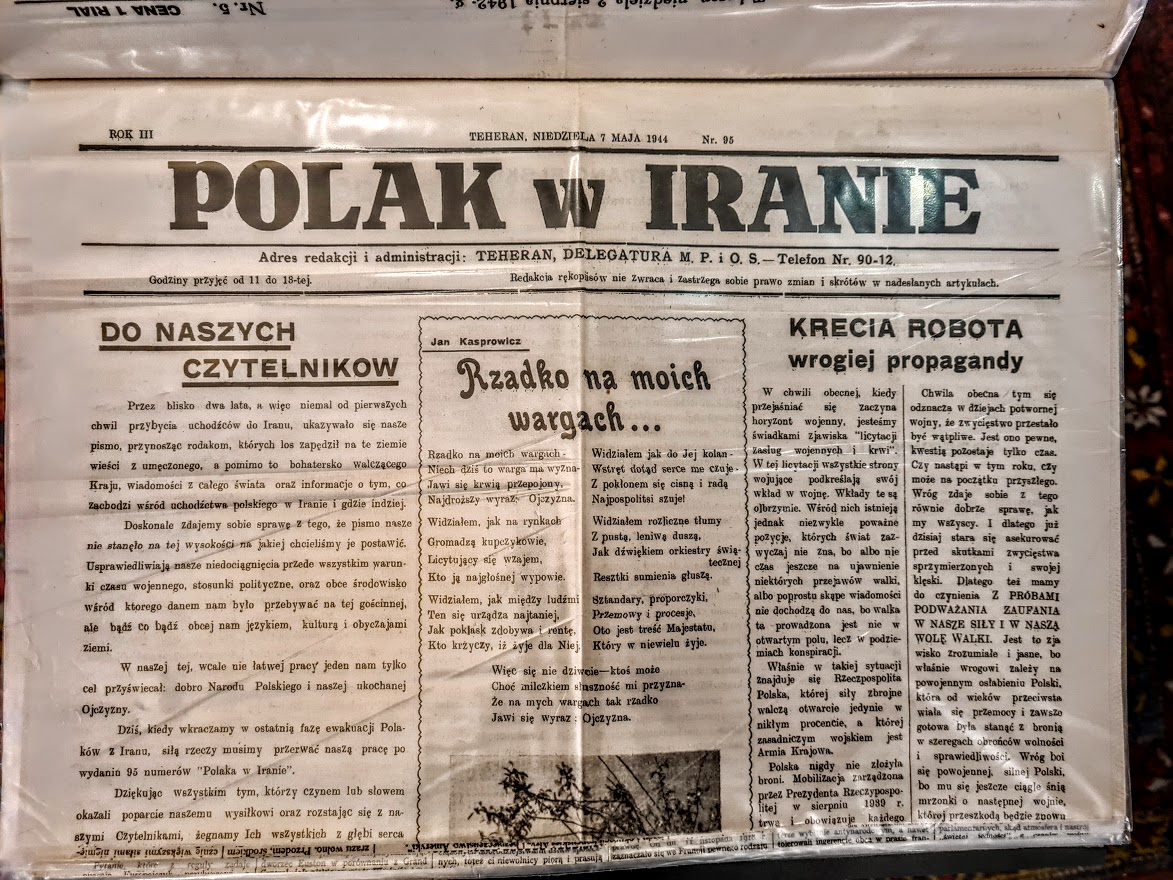
Polish-Language Dailies and "Gadzinówki" from the War Period - Collection of Reprints.
What were gadzinówki in the GG?
In the context of the General Government, gadzinówki (also referred to as gadzinowa press or kurwary) were Polish-language dailies published by the German occupation authorities. They replaced the closed independent Polish titles.
Their main goal was propaganda: presenting the occupation as a permanent state, emphasizing the power of the Third Reich, and influencing the mindset of the Polish population.
Polish-language dailies and "gadzinówki" from the war period - collection of reprints 📜
A unique collection of replicas of authentic occupation newspapers, published in Polish by the German authorities in the General Government between 1939 and 1945. This collection includes faithfully reproduced copies of the most famous "gadzinówki" – propaganda prints that were meant to shape the thinking of Poles in the occupied territories.
The reprints preserve the original graphic design and content, allowing direct contact with one of the key tools of German propaganda. The collection is an invaluable resource for researchers, educators, and enthusiasts of 20th-century history, enabling analysis of the mechanisms of wartime disinformation and information control.
Main titles in the collection:
-
"Nowy Kurier Warszawski" – the main daily in the Warsaw district.
-
"Goniec Krakowski" – the leading daily in Krakow, the capital of the General Government.
-
"Dziennik Radomski" – a newspaper for the Radom district.
-
"Ilustrowany Kurier Polski" – a title of an informational-propaganda nature.
-
Other regional titles (e.g., "Kurier Częstochowski", "Fala").
Purpose and character of the gadzinówka press: These newspapers, published in place of the liquidated independent Polish press, were a central element of the occupation policy. Their main task was:
-
Emphasizing the power of the Third Reich and the "permanence" of the new order.
-
Presenting a pro-German interpretation of war events.
-
Ridiculing the pre-war Polish authorities and influencing public mood.
Although reading them was widely considered a sign of collaboration, they could not be completely boycotted. For the population, they often constituted the only source of current (though distorted) news, and their content was sometimes read "between the lines."
Who is this collection of reprints for?
-
Historians and researchers: For research on propaganda, the German occupation, and media history.
-
Teachers and educators: As an excellent, tangible source material for lessons about World War II.
-
Collectors and museums: To supplement historical collections and exhibitions.
-
Research institutions (IPN, universities): As a teaching aid.
Get to know the authentic tool of Nazi propaganda. The collection of reprints of "gadzinówki" is not only archival documents but also a testimony to everyday life under occupation and the struggle for information. It is a unique opportunity to directly familiarize oneself with the content that reached millions of Poles during the war.
Interested in the collection? Ask about details of available titles, licensing terms, and digitization possibilities.
Examples of gadzinówka titles published in the GG:
-
„Nowy Kurier Warszawski" (Warsaw)
-
„Goniec Krakowski" (Krakow)
-
„Dziennik Radomski" (Radom)
-
„Gazeta Lwowska" (Lviv, after the district was annexed in 1941)
-
„Ilustrowany Kurier Polski"
-
„Fala"
Cooperation with these editorial offices was considered collaboration by the Polish Underground State.
Product Information
Product Information
Shipping & Returns
Shipping & Returns