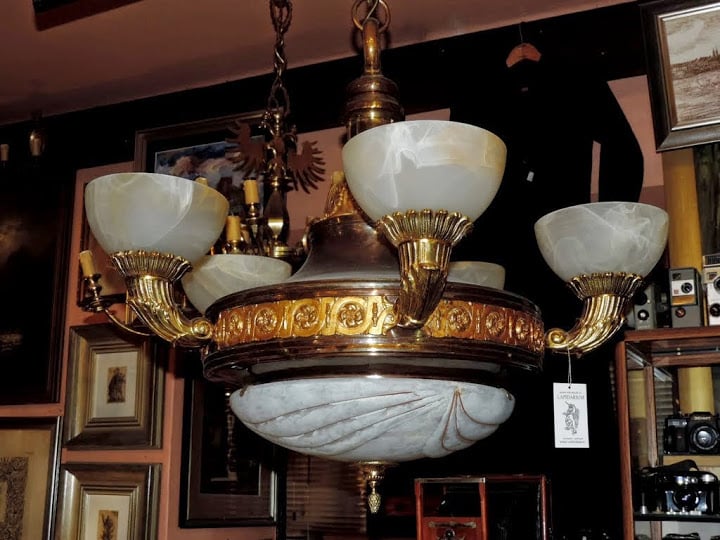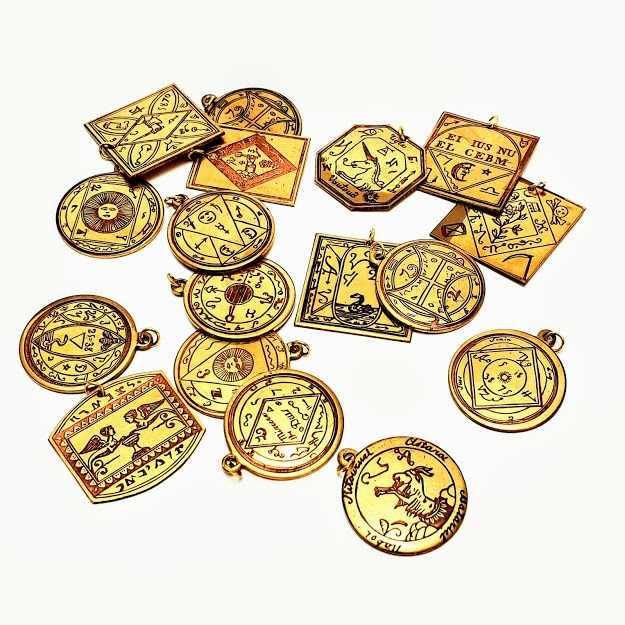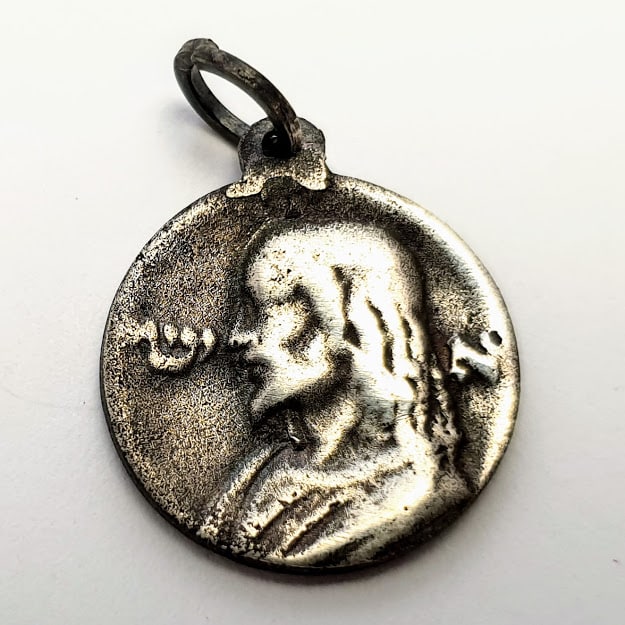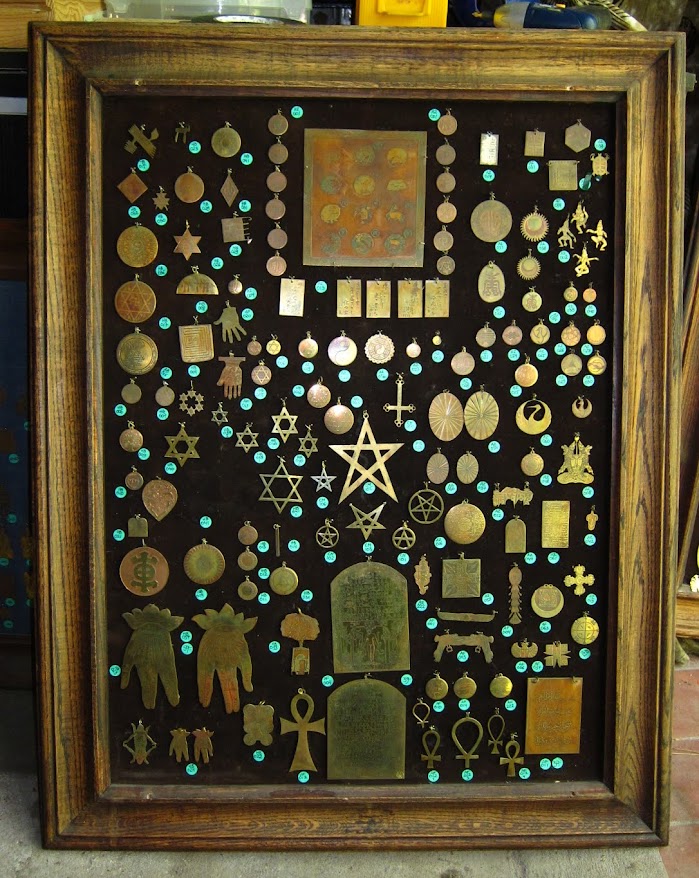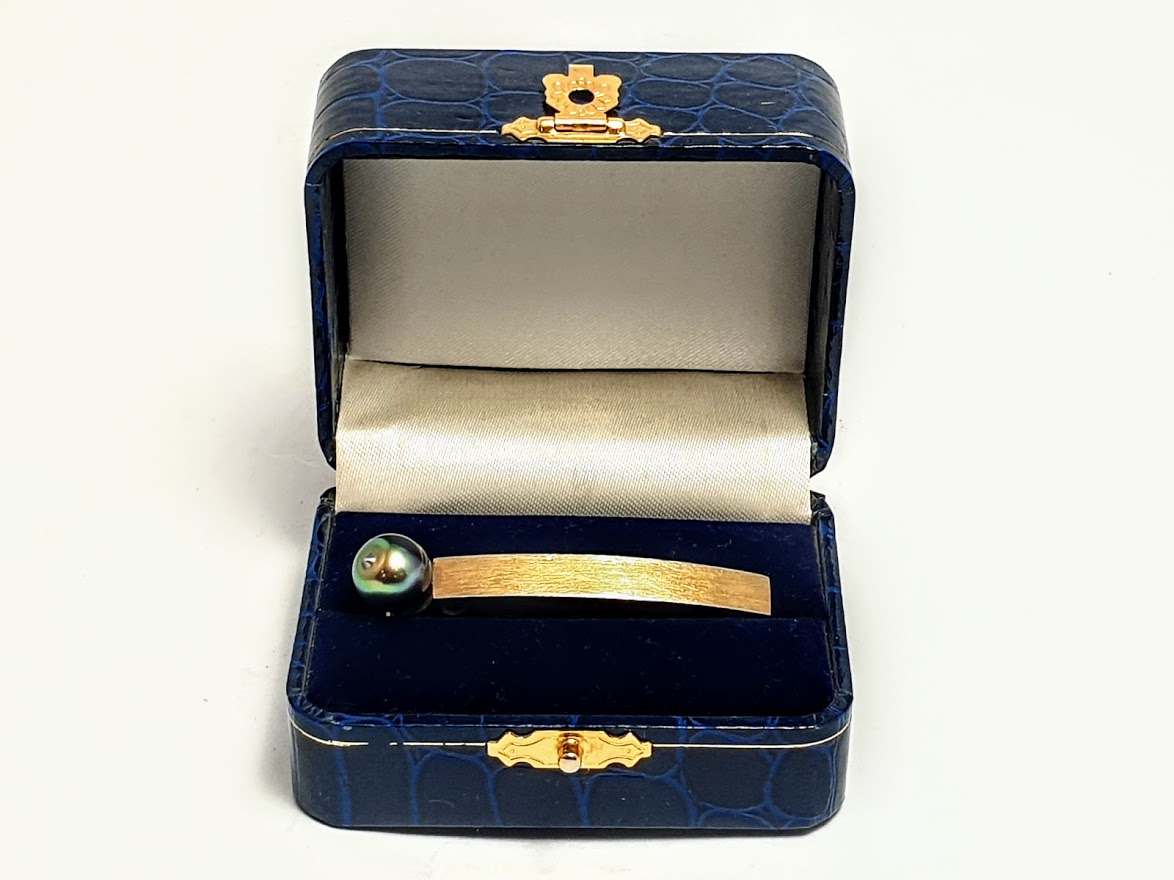

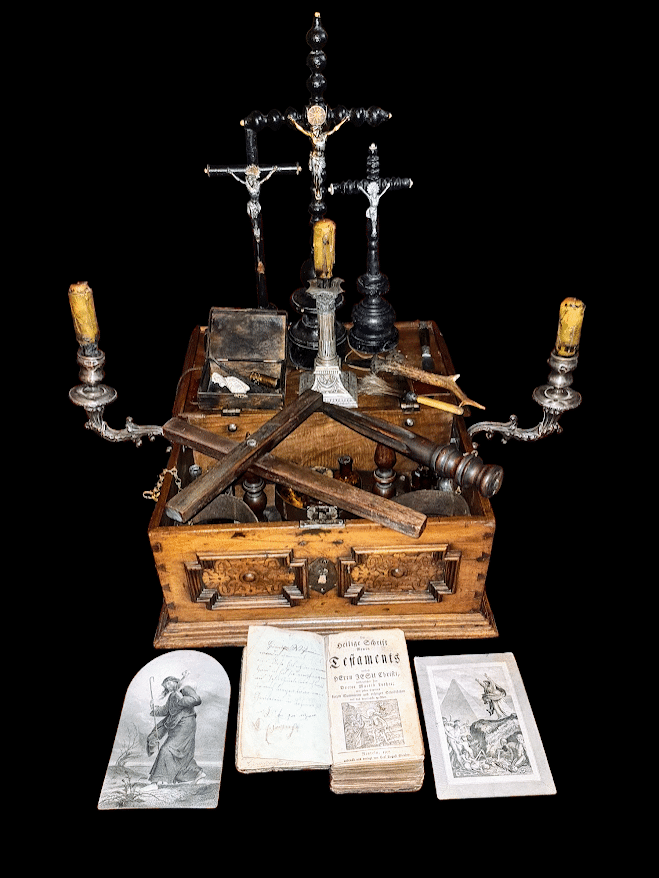
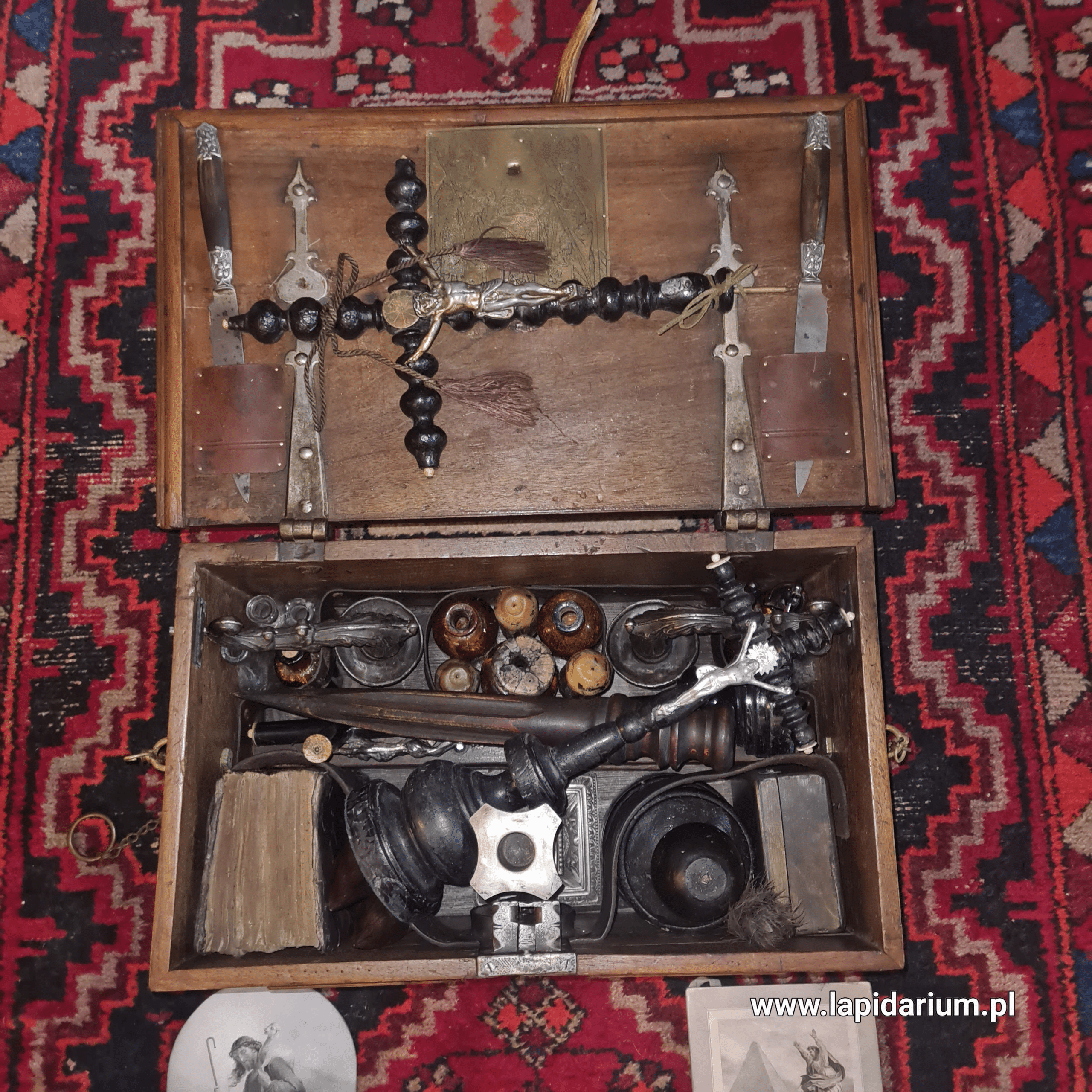
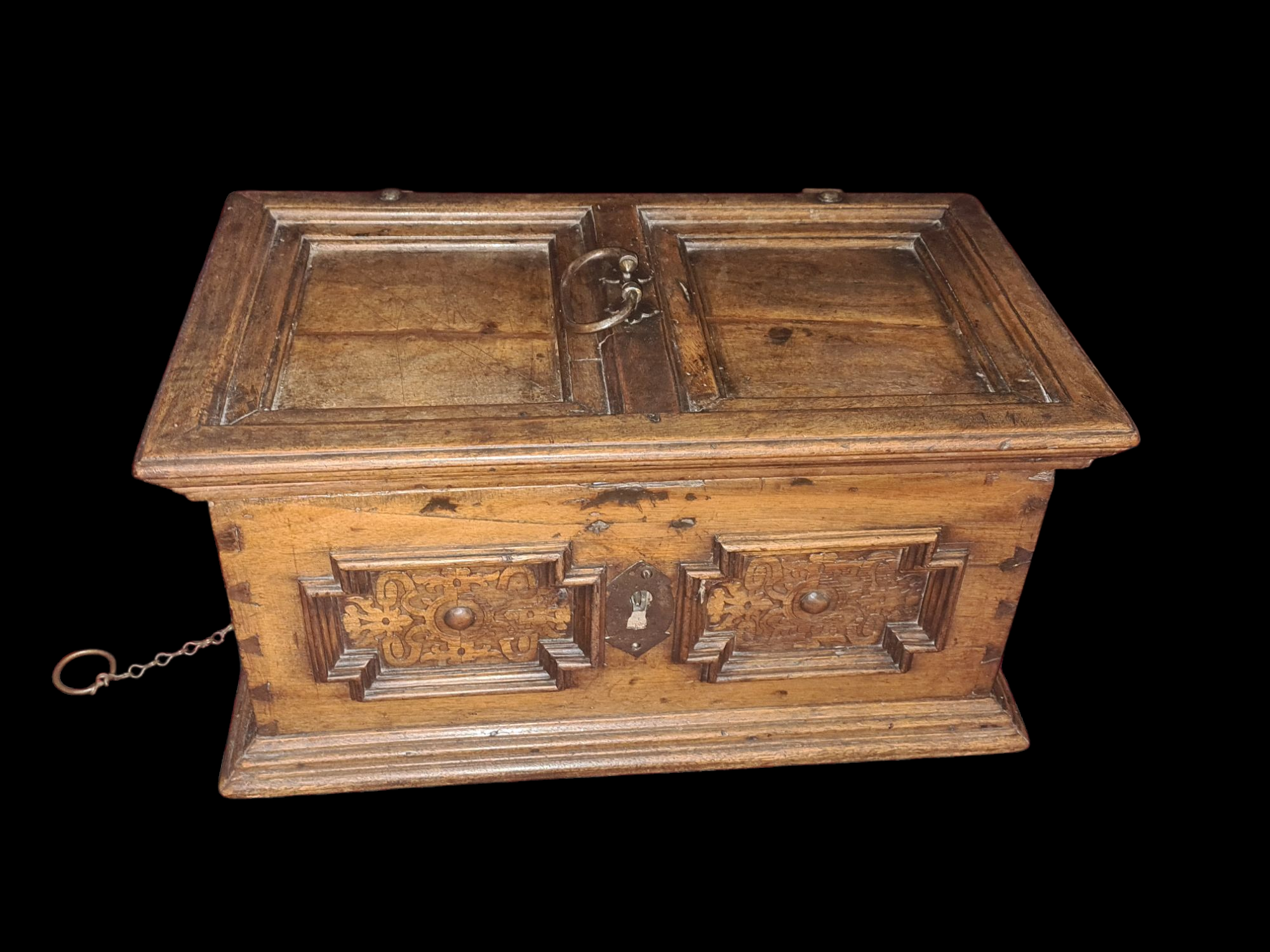
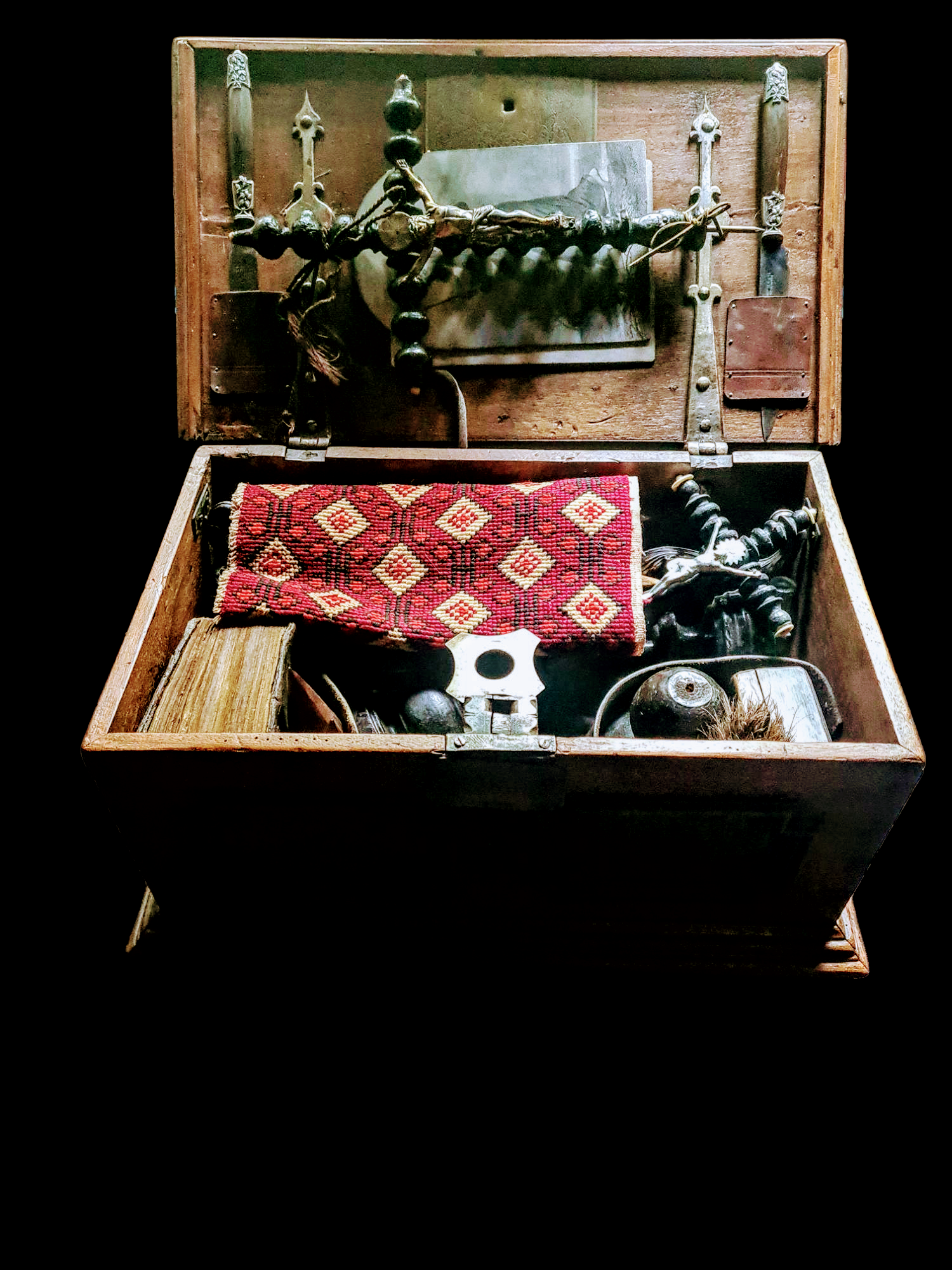
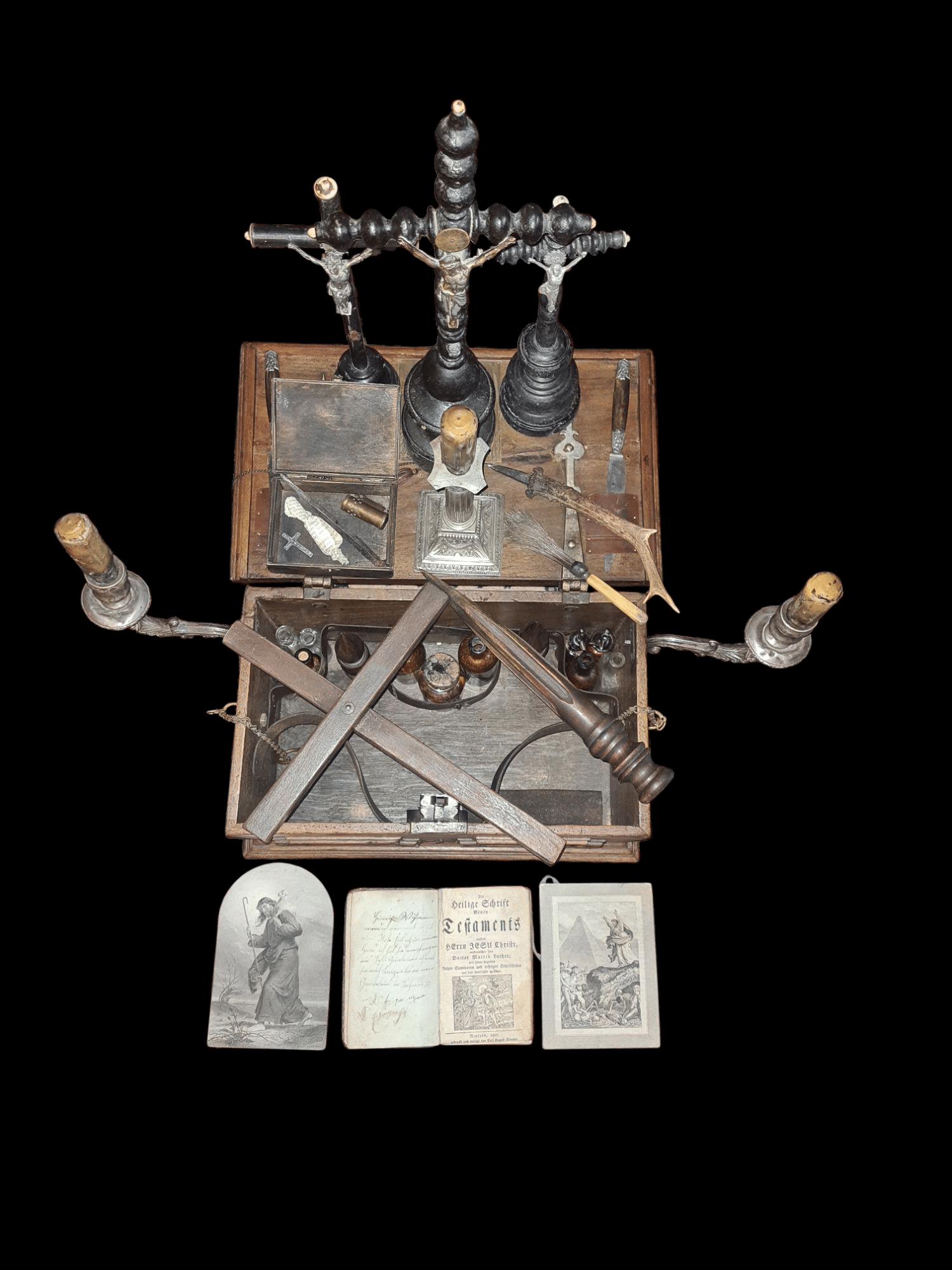
Vampire killing kit, early 19th century Germany
From the Undead to Dracula, or a brief history of vampire beliefs in Slavic lands
The figure of the vampire, which still ignites the imagination today, was born not in literary salons, but in the darkness of Slavic folk beliefs. Long before romantic ballads, our ancestors lived in the deep conviction that death is not always the end of human existence. From graves could arise a being called an upiór, wąpierz, or strzygoń – a demonic, animated corpse. It was widely believed that a vampire became a person who was a sinner, a suicide, a sorcerer, or who died suddenly and tragically without fulfilling earthly duties. Its goal was not to seduce beautiful ladies, but to realistically and tangibly terrorize the local community – strangling people, bringing plague and disease, and above all sucking life-giving blood, which was synonymous with vital force.
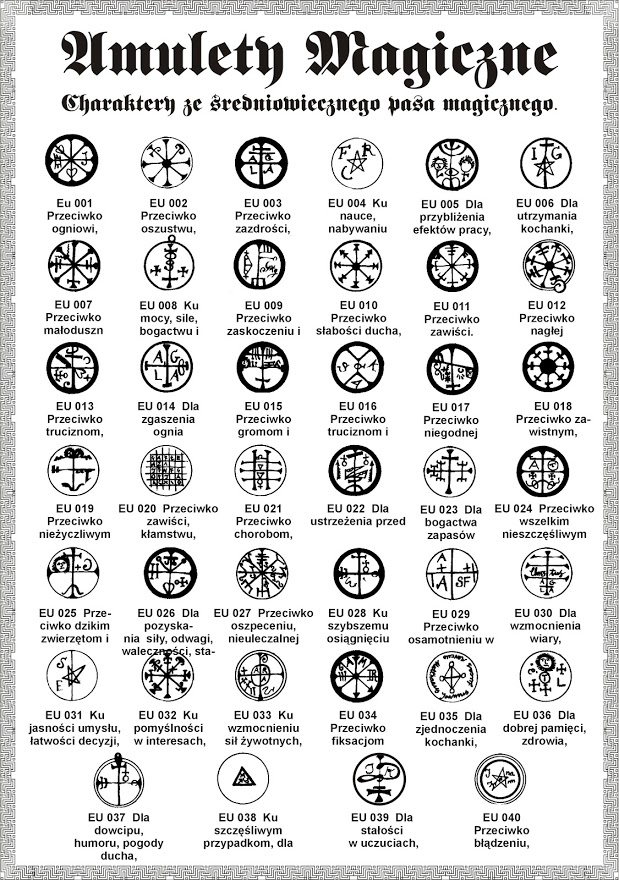
The sources of these beliefs should be sought in pre-Christian, and later also folk-syncretic, attempts to rationalize the world. Vampirism was a projection of eternal fears of death, the unknown, and unclean forces, forming part of a broader system explaining misfortunes such as epidemics or cattle plagues. To protect against the return of the deceased, a whole arsenal of protective practices was used. The most common included cutting off the head, piercing the body with an aspen stake, burning the corpse, placing a stone or poppy seeds in the mouth, which was meant to prevent the undead from leaving the grave and to force it to count the seeds until the end of time. This was a world of harsh beliefs, devoid of a romantic aura.
The breakthrough moment in the history of the vampire figure was the 19th century. It was in the Romantic era that literary fiction began to dominate folk belief, radically transforming its meaning. As scholar Maria Janion rightly notes, the vampire owes its popularity to the era of Goethe and Mickiewicz. Crucially, it was not native Slavs but Anglo-Saxon and Western European writers who introduced it to high culture. The Englishman John Polidori, with his story "The Vampire," initiated the fashion for an aristocratic bloodsucker. This was a process of complete disintegration of the original meaning. From a physical, rural undead creature that was a real threat to body and property, the vampire became a literary, symbolic entity – a carrier of forbidden sexuality, a dark lover, and finally a universal symbol of evil, ultimately codified by Bram Stoker in his character Count Dracula.
In the 20th century, and especially in its second half and the 21st century, this process accelerated and became further complicated. Literature and film not only distorted, but actually replaced scientific and anthropological research on vampirism with their pop-cultural, novelized version. The modern audience, reaching for sagas like "Twilight" or watching films about sparkling vampires, is dealing with a product of mass culture that is only a distant echo of Slavic nightmares. This image has undergone changes under the influence of emancipation, the sexual revolution, and the relativization of values – what was once rejected as absolute evil today becomes acceptable, even desirable.
In summary, the modern image of the vampire is essentially a palimpsest, under which the original Slavic layer can be read with difficulty. While science, represented by ethnographers and historians, reconstructs authentic folk beliefs as an integral part of the pre-modern worldview, popular culture of the 20th and 21st centuries creates its own myths, serving mainly entertainment and the expression of contemporary fears and desires.
Product Information
Product Information
Shipping & Returns
Shipping & Returns

From €4,367.82
Zestaw do zabijania wampirów , poczatek XIX w Niemcy—
€4,367.82